
 EN
EN
 Français
Power, measured to the micron.
We work with implantable medical partners who need to evaluate feasibility for powering highly constrained systems with microbatteries and/or microcapacitors, and who require measured, well-documented evidence before investing in longer validation cycles.
What this evaluation is, and is not
In this context, expectations around quality, safety, and regulatory pathways are partner-defined requirements. We do not imply regulatory compliance, approval, or implant suitability by default.
Any such requirements must be explicitly scoped and addressed only within an agreed proof-of-concept perimeter.
Typical constraints
Extreme miniaturization
Within defined form factors, set by the target device, not a generic size target.
Biocompatibility
Treated as a partner-defined requirement, scoped to the materials and contact conditions in play.
Long-term reliability
Expectations are scoped per engagement, against a defined test window, not assumed by default.
Regulatory pathway awareness
Treated as a parameter to design around, never as an assumption baked into our claims.
Where the work happens

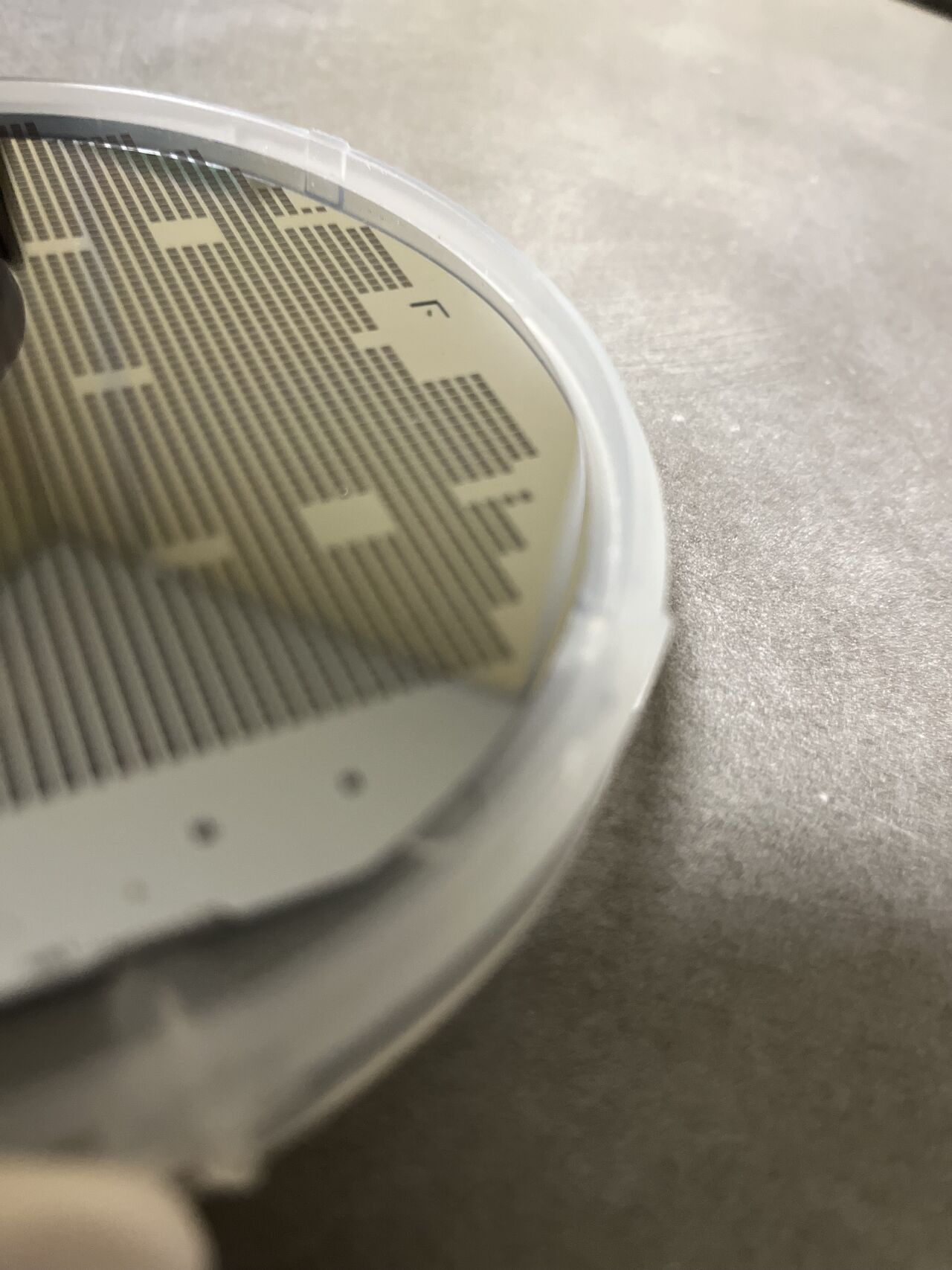

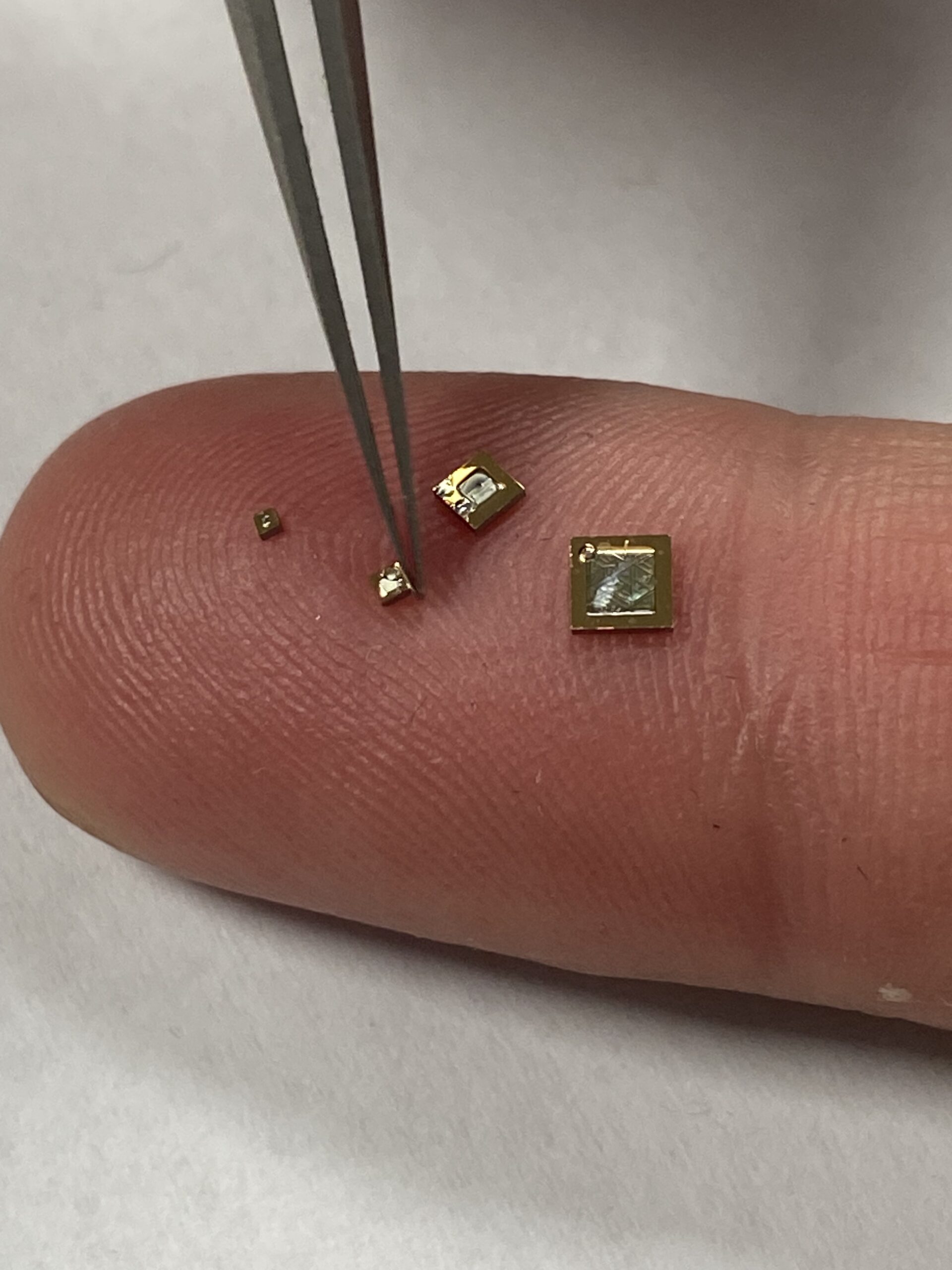
Example JDP starting points
Electrical characterization
Under partner-defined conditions, against the parameters that matter for the target application.
Integration feasibility
Assessed within agreed size and interface constraints, not against an idealized form factor.
Reliability & screening
A test plan with scoped observations, documented within the agreed perimeter of the engagement.
Repeatability & stability
Signals tracked within the test window, giving an honest read on consistency before scaling up.
Stated plainly
We do not claim regulatory compliance, certification, or medical approval.
We do not claim implant suitability or biocompatibility by default.
These must be explicitly scoped within the agreed engagement.
Sensitive details and test artifacts are shared under NDA, within an agreed scope, before any deeper engagement.